
Meta said on November 19 that owners of Quest 3 and Quest 3S in the United States can rent and buy movies in the headset’s TV app. It lists more than 150 3D titles and puts Billie Eilish’s concert film, co-directed with James Cameron, in front of the new store. Meta says the film’s 3D version is exclusive to Meta Quest for purchases and rentals through December 31. The decision removes a practical obstacle: people who already bought a screen for their face can find a film to watch on it without leaving the app to arrange payment. My judgment is favourable for current owners, particularly for a rental. The case for buying a library depends on what the platform makes clear about repeat access. Meta’s launch announcement
The store is an attempt to make one evening convenient and the next evening likely. A person can pick a film, choose a kind of access and play it in a supported viewing mode. That is a coherent product decision because a viewing device is only as useful as the things a person can easily play on it. It also places two related questions together. The renter needs to know how long a film will be available. The buyer needs to know what happens after changing device, location or account circumstances. A title appearing in a library is a useful outcome for both the customer and Meta. Understanding what keeps it there is what makes that outcome worth paying for again.
The store solves a problem that the display cannot solve#
Imagine someone who already uses a headset for games and wants one 3D film on Friday. The effort starts before watching. Find a title in a format the hardware supports, check the service carrying it, decide whether to subscribe or pay for one showing, and work out which app will play it. Every small decision costs a little time. Having an app that offers a title and takes the payment reduces that separation. The hardware specification stays the same, but the device can become more useful because it takes fewer decisions to use it. Meta’s service starts from an understandable problem, and the new option fits the way most shoppers already rent a film on a screen.
The best part of the decision is that it offers access by title. When you want one concert film, a membership is a larger commitment than a rental. A transaction in the TV app gives the viewer a different path from the available subscription services. Meta mentions some 3D streaming in the separate Disney+ app for subscribers, with availability varying by title, region and device. These paths can coexist productively. A person can keep the plan they use often and make a separate purchase when a particular film is available elsewhere. The useful choice comes from making price, format and duration comparably easy to see in both places.
That is why the starting count deserves its proper scale. A shop with more than 150 3D films has enough variety to illustrate the offer. It does not tell any particular reader whether the three titles they would return to are available. Most people think of a library by the shelves they actually use. A good home screen can show that a genre, collection or series has several compatible entries, and a title search can help a buyer identify which edition is for sale. If an early roster draws people in and the catalogue continues to gain depth, the service can turn occasional viewing into a reason to wear the hardware more often.
A good exclusive shows the medium doing work#
The Billie Eilish concert gives the launch a reason to include 3D at all. Meta says the production used a long-range 3D camera system to work around a stage surrounded by the audience, along with a camera on the stage. Viewpoints close to a performance and in front of a crowd are different from placing binocular depth on any familiar image. The material can show what the format changes in the scene, with the production’s framing and edit still deciding what the viewer sees. A concert is a reasonable choice when a platform needs to show the sense of distance, bodies and movement rather than asking people to admire a feature list.
The limits of the exclusive matter to the customer. December 31 is the period Meta gives for exclusive 3D purchases and rentals through Quest. It is a statement about distribution, separate from the time allowed to finish an individual rental and from the rules for later access to an item already bought. A person selecting the concert might care about any of the three. The platform should show each where it affects a decision. Separating dates is an ordinary piece of store design. It also prevents the event from making people rush to make a purchase because the most prominent date was never explained.
A single event can get a viewer into the TV app and give people a specific reason to learn where rentals live. Regular use needs a second reason. A film that works well on a headset can invite a second title if the interface makes that next decision easy. The programme will be stronger if later titles cover different needs, including favourites that viewers already know and pieces made with particular care for the format. The value is in having enough convincing choices on ordinary nights. A well-chosen premiere opens the door, then each film’s availability and ease of playback are what keep the habit going.
Theater view and 3D playback answer different questions#
Meta’s announcement also promotes Theater view, which is rolling out with a software update. The release notes describe a large virtual screen that hides other windows in a supported media app. That setting tells the viewer how the player will look around the film. A 3D edition tells the viewer about the way depth is presented within the picture. A title can be 2D on a cinema-sized virtual screen, so a good listing needs both facts. A clean purchase confirmation would make it clear which edition is licensed and which player features are optional. The virtual room can improve the viewing setting. The contents of the purchase should remain legible regardless of which room is used. Meta Quest system release notes
Ordinary task completion is a better review method than a screenshot at the start of a trailer. A reviewer should be able to find a named film, check that it offers the intended 3D format, start it and resume it after an interruption. Video quality can be checked across a session under stated conditions, including the device version and connection. The company’s own terms say quality can vary with device, location, bandwidth and the available format. A full recording is a different test from a five-minute demonstration. The result would tell an owner how the purchase path and the experience fit together without assuming that every headset or network produces the same result.
The headset also changes the nature of the evening. A personal screen can give one person a comfortable way to sit in a small space, especially when a large television is unavailable. A person who often wants to watch with someone on the same sofa may value a screen everyone can see. These are different viewing arrangements. A film licence and an excellent single-person experience do not by themselves establish any particular casting, sharing or group-viewing access. Those details need to be visible where offered. A thoughtful store can describe what happens when the viewer wants to change settings or pass control without turning a good movie night into a device comparison.
A purchase is only as strong as the permission to watch again#
Meta’s supplementary video terms make the distinction a store page should bring forward. The platform describes a purchase as a limited licence to access the film, typically while it keeps the necessary rights. Rentals have a viewing window. The terms say both paid options are currently generally streaming-only unless another capability is specifically offered. A reader can reasonably find an ongoing platform licence worth paying for. They need a different calculation from someone who can keep a local copy and play it whenever their equipment still works. The app’s title-specific rules and the offer shown for that account matter before any money changes hands. Meta’s supplementary video terms
For a rental, the important detail is when the clock starts. Meta’s published terms describe typical start and finish windows and say the rules presented for a particular film can control. The movie page can help by stating the deadline in the same place as the price and repeating it in the receipt. A viewer may buy time for a weekend rather than for right now and care when access begins. That detail is particularly important if an account also shows titles through a subscription. An option that says Watch without a clear distinction among an included film, an earlier rental and a paid transaction asks people to solve an accounting question while finding something to play.
The information needs to remain accessible after checkout. A library that shows the edition, access type and relevant restrictions gives people a reason to trust it as a record. When a licence changes, the paid transaction should still be identifiable in the account and the person should be able to understand why a title is unavailable. A store can improve clarity without promising a right it cannot provide. In practice, written terms and the receipt need to describe the same product. A higher trial price paired with more explicit limits can be easier to evaluate than a tempting offer whose conditions only become apparent after the film stops playing.
Early reports underline the need to label the choices#
The Verge and Engadget covered the US expansion and the size of the launch selection. Before the official announcement, participants in a Quest discussion reported seeing rental and purchase options on individual devices, while others asked where to find them. These are selected accounts posting in public, and the questions do not establish how many customers had access before launch. They do identify information that people wanted at the time, including which app was offering a title and whether choosing it would incur another payment. Meta can answer those questions more reliably in the detail page than enthusiasts can in a forum thread. The Verge’s report · Early Quest discussion
The audience also includes people who bought licences from a different digital store. They may ask whether what they already have is available in 3D on Quest. That question cannot be answered by assuming a title appearing in both places gives the same account access to it. People need to know if an offer is an upgrade, a separate licence or a format included in a service they already have. If an item does not carry across, the product can say so before offering a second copy. The repeat sale may look attractive to a store. A clear library is more likely to win the customer’s next independently considered purchase.
Information also matters when two headset models appear together. The November announcement says the transaction service is for Quest 3 and 3S in the United States. Other devices may receive software changes without gaining exactly the same title access. Statements about an operating system update, a streaming app and a movie shop can use related names and still describe different releases. Meta can make it easy to check what follows the title and what follows the hardware. That will matter more when the company adds newer devices. Customers who open an existing account will naturally want to know what appeared again and which parts of their viewing experience changed.
The scope of the next launch matters as much as its timing#
Meta says it intends to expand the catalogue and add international availability with Meta VR Glasses in spring 2027. That is forward-looking, and the announcement does not give confirmed dates and the complete 3D title selection for each country. A platform can expand and still need to obtain a different mix of rights in different places. The useful information will be the set of titles, languages and editions a person is actually offered. People who travel or move may have a distinct question about titles already licensed. Publishing country and device support will explain more than treating international availability as a single switch.
A store that works well across releases needs to explain transitions. A customer replacing a headset should be able to identify which purchases are intended to reappear, whether the same account is required and whether the original format is supported. A person deciding to keep the older machine should be able to distinguish app support from shop access and film availability. None of this settles what a future product will offer. It describes evidence the company can provide as hardware and services arrive. A user who already pays for a particular film should learn how upgrades affect playback before treating a new screen as the obvious next purchase.
There is a commercial benefit for Meta if this information is clear. A one-time sale puts revenue through the new app. Confidence that the next purchase will still work makes the habit more valuable. The commerce layer also has an opportunity to make checkout useful for titles outside a single highlight campaign. It can let a viewer discover a catalogue suitable for the hardware while leaving existing subscriptions and other supported viewing options intelligible. A big store can use complexity to steer customers to its preferred option. A better test is whether the store makes it easy to select the access that suits an actual plan for the evening.
The price comparison needs to start with the same film and format#
The home screen can make the simplest comparison easy. Show the price of the rental and purchase for the same edition and explain what each unlocks. If the film comes in several formats, name the one that accompanies each option. A shopper who only wants to try 3D once can evaluate the short commitment, while someone who expects to revisit the film can evaluate repeat access. Prices can vary across films and promotions. A report on one early transaction should not turn into a price list for an entire store. The number that matters is the one attached to the viewer’s actual title under the conditions presented at checkout.
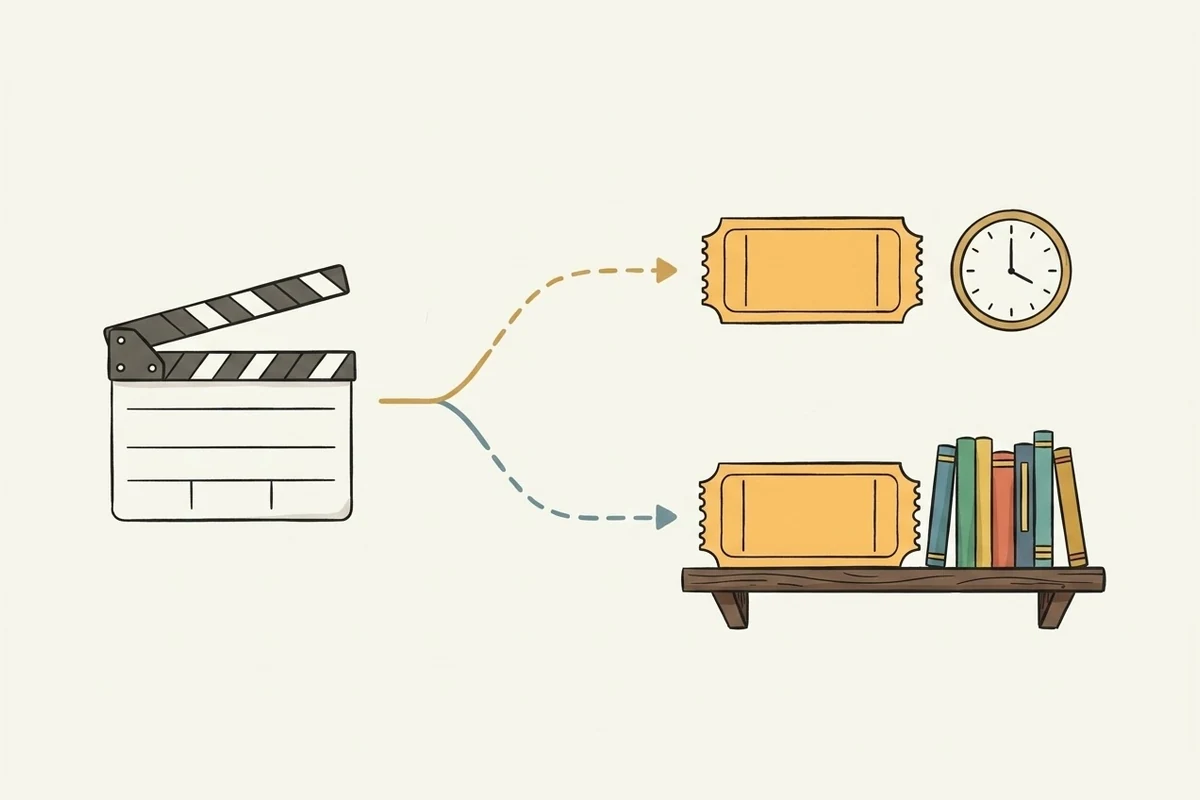
The platform earns more trust if it can also identify an offer the person already has. A subscriber who opens a title featured in a separate app should know whether that service includes the same 3D edition in their region, or whether it offers a different version. A viewer with a paid title should be able to see that status before being asked to rent another edition. This can be harder to do across providers whose catalogues and accounts are separate. The distinction still deserves prominence even when Meta cannot see the person’s subscription. A store that acknowledges the limits of its knowledge helps the person make a more confident choice.
Viewers also have different ways of assessing repeat access. Someone planning to watch a concert again next week can compare the applicable rental window with the purchase offer. Someone who imagines watching it over several generations of hardware cares more about licence continuity. Others may find the 3D version worthwhile for one viewing and prefer watching in a different room the next time. The commercial step is most useful when it lets these people choose differently. A store aimed at repeated use needs a detail page that explains these differences in plain language as well as a broad catalogue to display them in.
Reading the purchase state should work when playback does not#
Most people will first learn the access rules when something interrupts a showing. A session can be interrupted by a software update, an unstable connection or the ordinary need to take the headset off. If the viewer returns and the film refuses to start, the important question is what happened to a paid entitlement. An expired rental, a title no longer offered, a connection error and an incompatible device call for different next steps. The player can help by making those conditions easy to recognise. A receipt that the person can still find gives support a concrete transaction to investigate and the viewer a way to distinguish a payment problem from a playback problem.
The same expectation applies to accessibility. A viewer may need working captions, an audio option or an interface that is readable before a film starts. Details can be different between two editions of the same film, particularly where separate language rights and distribution agreements are involved. The launch did not establish identical options across the new catalogue. The store can make its offering more useful through edition-level details that remain visible in a headset as people select and pay. An explanation available from a different machine can also help someone decide whether a title suits them before they put it on.
These are checks a future review can run with a handful of ordinary titles rather than a staged version of a premiere. The reviewer can record the offer and edition, finish a complete screening with a rest in between and test opening the record again under the same account. A second pass after a software update or an equipment change would show which parts of the experience persist. That would give the next viewer a better reason to rely on the store. It also gives Meta a practical way to compare two purchases that are identical on a revenue line and very different to the person playing the film.
What would change the judgment#
Meta made a good decision to deal with the missing step between finding a 3D title and playing it. The initial offer is enough to justify trying a rental for an eligible owner with a particular film in mind. The purchase case is more demanding. I would judge it more favourably if the title pages made viewing windows, streaming status, format and supported devices apparent before checkout, and if those facts remained useful on a purchase record. The platform could also earn trust by showing how a person's existing library behaves when they change devices and by making future regional differences understandable before someone starts spending money.
I would change my view if a viewer has to hunt through several apps to learn whether the offered film is included, whether they already have it or whether access has expired. A new film and an attractive virtual theater can make the first visit worthwhile. A simple statement of what the purchase gives the viewer is what makes the next visit easier. The 3D screen is already in the device. The longer-term advantage belongs to a shop that keeps the conditions of using it in view.